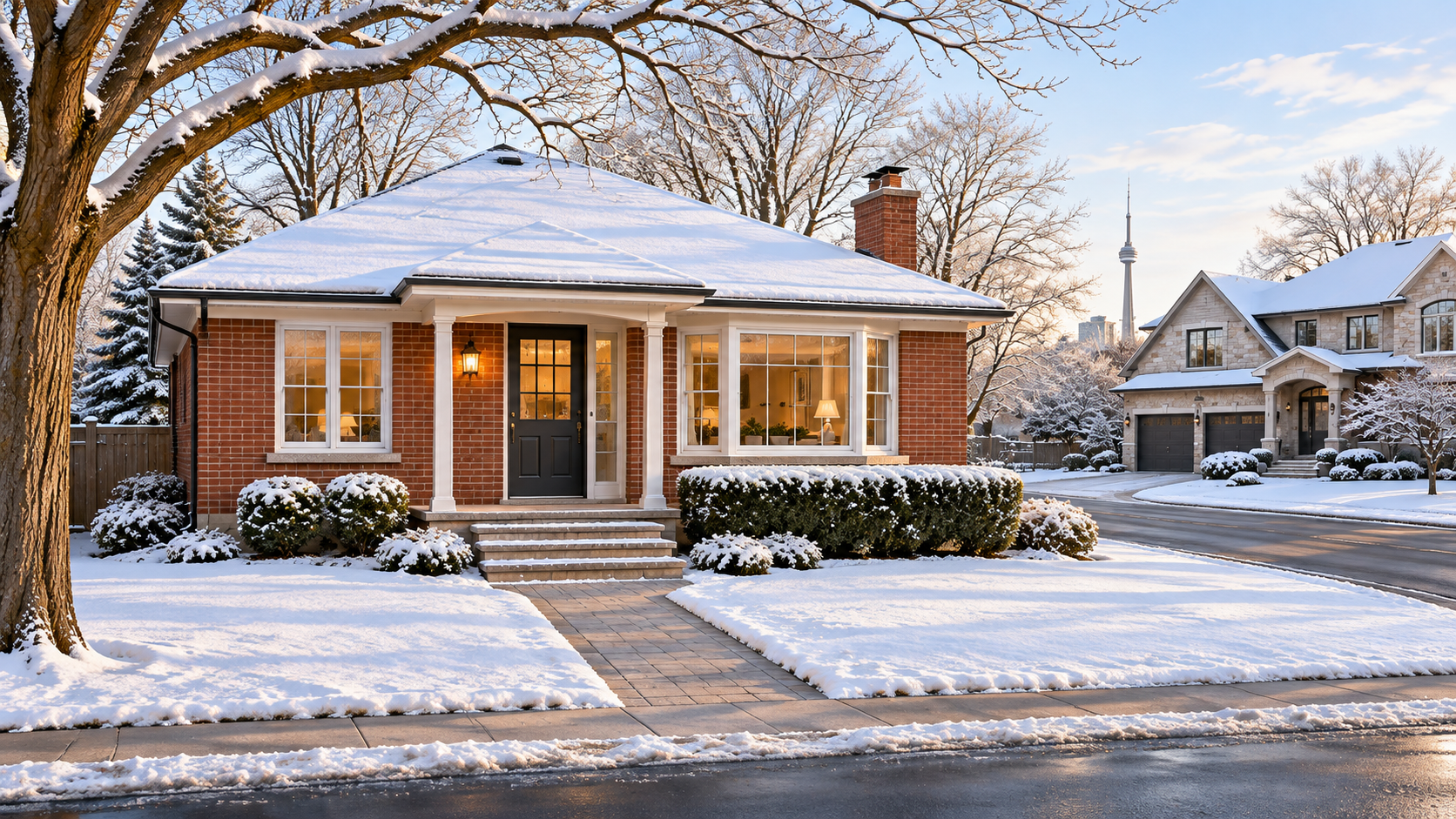
What is the best way to sell a house in Toronto during winter?
Selling a home in Toronto during winter can be successful with the right pricing, property preparation, and marketing strategy. Although fewer buyers may be active during December, January, and February, some buyers continue searching because of employment changes, family needs, or plans to move before spring.
For Toronto homeowners, the key is to make their property attractive, accessible, and competitively priced.
1. Understand the Winter Toronto Housing Market
Toronto’s real estate market varies by neighbourhood and property type.
A detached home in Lawrence Park or Bedford Park may attract different buyers than a condominium in North York or a family home in Scarborough.
Before listing, examine recent comparable sales, active competing properties, and average days on market.
Winter market conditions should influence your asking price and marketing strategy.
2. Price Your Home to Attract Serious Buyers
Pricing is especially important when fewer buyers are actively searching.
An asking price supported by recent neighbourhood sales can encourage buyers to book showings.
Avoid assuming that spring prices will automatically be higher. Market conditions can change, and waiting does not guarantee a better sale price.
3. Prepare Your Property for Winter Showings
Toronto winters bring snow, ice, shorter daylight hours, and colder temperatures.
Keep driveways and walkways clear, ensure exterior lighting works, and maintain comfortable indoor temperatures.
Inside the home, clean windows, remove clutter, and use warm lighting to make rooms welcoming.
Professional photographs taken in suitable lighting can help your property stand out online.
4. Develop a Strong Digital Marketing Strategy
Many buyers begin their property searches online.
Professional photography, accurate property descriptions, virtual tours, and exposure through MLS and appropriate digital channels can help buyers discover your listing.
Your marketing should highlight features that matter during winter, such as convenient parking, energy-efficient windows, functional heating, and well-maintained interiors.
5. Accommodate Qualified Buyers
Winter weather and holiday schedules may make showings more difficult.
Where practical, offer flexible viewing arrangements and keep access to the property safe.
Buyers relocating for employment or family reasons may have specific moving deadlines.
Convenient showing opportunities can help you reach these buyers.
6. Plan Your Closing Date Carefully
Selling in winter does not necessarily mean moving immediately.
You and the buyer can negotiate a mutually acceptable closing date.
A February sale, for example, might allow a spring closing, depending on the buyer’s circumstances and agreed contract terms.
Discuss your preferred timeline before listing.
Is Winter a Good Time to Sell a Home in Toronto?
Winter can present opportunities because some neighbourhoods have fewer competing listings. However, buyer activity may also be lower.
The best decision depends on your home, local inventory, pricing, and personal moving plans.
Homeowners in Central Toronto, Lawrence Park, Bedford Park-Nortown, York Mills, Banbury-Don Mills, North York, East York, Scarborough, and Etobicoke should evaluate current neighbourhood conditions rather than relying on citywide averages alone.
Planning to sell before the new year? Read our related article: How Toronto Homeowners Can Successfully Sell Their Homes in December 2026
Thinking About Selling Your Toronto Home This Winter?
Find out what your property could realistically sell for in today’s Toronto market.
Request Your FREE Toronto Home Evaluation
Or Book a FREE 30-Minute Seller Consultation to discuss your pricing, marketing, and selling options.
Max Seal | Toronto Real Estate