By Max Seal, Toronto Real Estate Broker | October 2026
Are you thinking about selling your current Toronto home and buying a larger property in Spring 2027, but worried about falling home prices, economic uncertainty, mortgage rates and a slower real estate market?
You are not alone. Many homeowners face this decision when their existing home no longer meets their family’s needs.
The short answer: A slower Toronto housing market can create opportunities for move-up buyers because the larger home they want may also be selling for less. However, whether moving makes financial sense depends on the selling price of their current home, the purchase price of the next property, available equity, financing costs and their personal circumstances.
The important question is not simply whether Toronto home prices are rising or falling.
It is: What will it cost you to sell your present home and purchase the larger home you actually want?
What Is Happening in the Toronto Real Estate Market?
According to the Toronto Regional Real Estate Board’s September 2026 Market Watch report:
-
GTA home sales totalled 5,040, down 9% from September 2025.
-
The average GTA selling price was $1,006,409, down 5.1% year over year.
-
New listings totalled 16,500, down 14.4% year over year.
-
The MLS Home Price Index Composite benchmark declined 4.7% year over year.
These figures reflect the Greater Toronto Area overall, not the selling prices of individual Toronto neighbourhoods or property types.
TRREB identified economic uncertainty, inflation and borrowing costs as factors contributing to hesitant buyers.
Source: TRREB September 2026 Market Watch.
For homeowners planning to move up, the important consideration is how these conditions affect both their existing property and the larger home they hope to purchase.
Could a Toronto Home Price Correction Benefit Move-Up Sellers?
Potentially, yes.
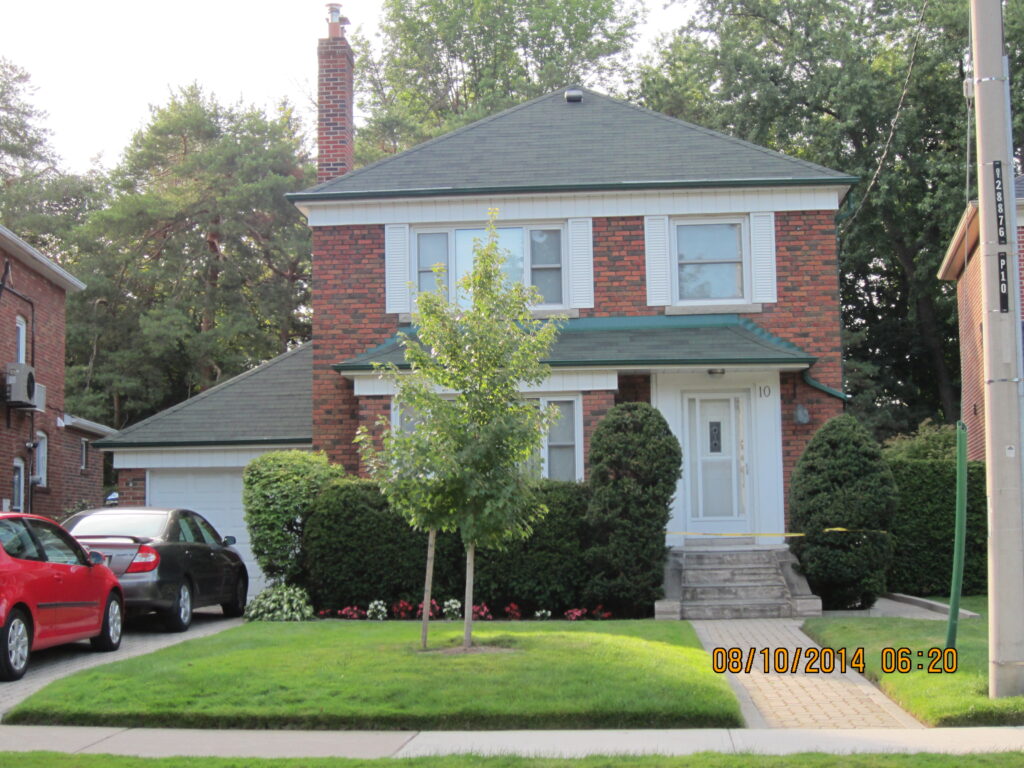
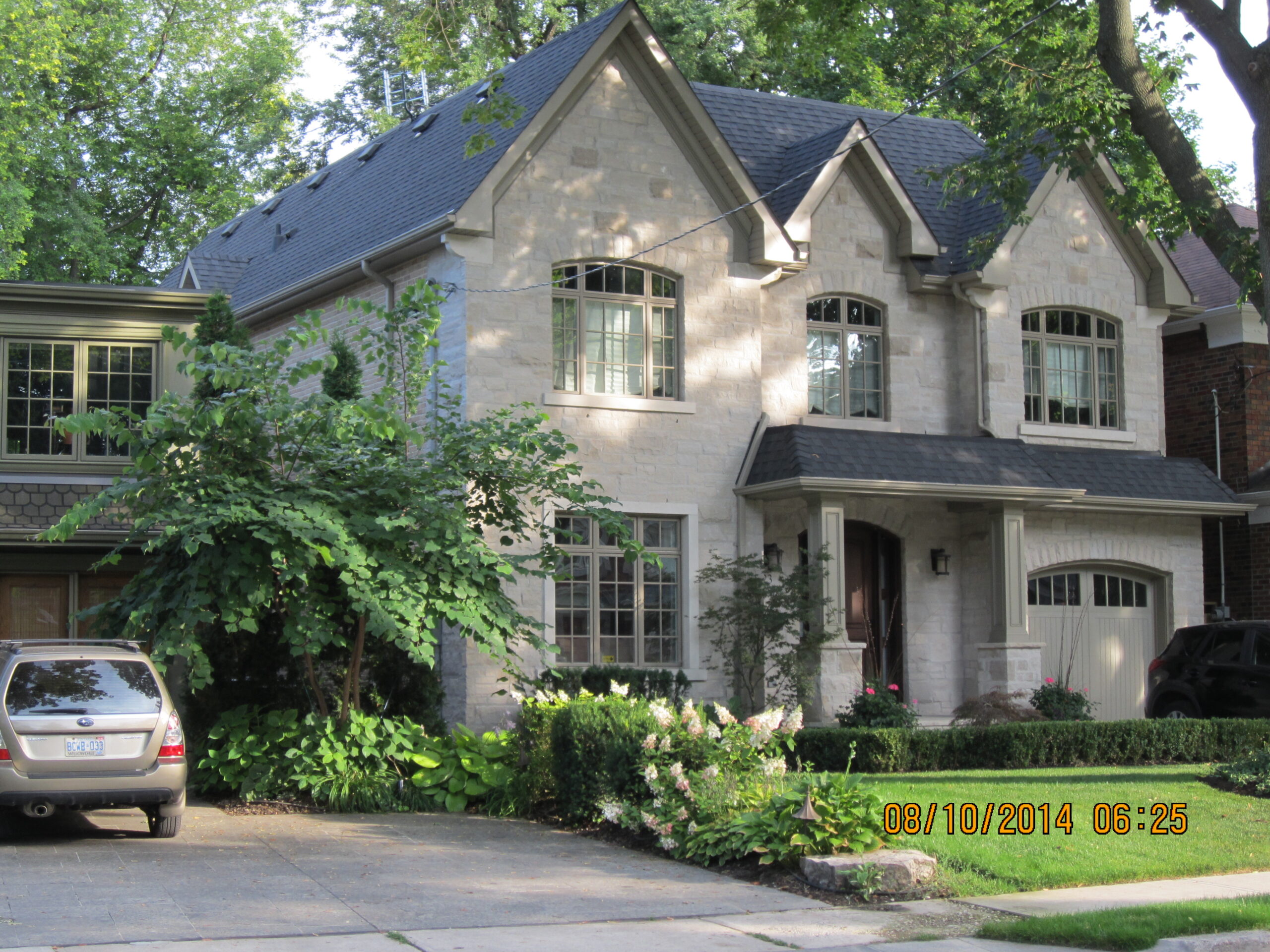
Consider a hypothetical homeowner who owns a Toronto house and wants to purchase a larger detached property.
| Transaction | Earlier Market | Corrected Market |
|---|---|---|
| Existing home selling price | $1,000,000 | $900,000 |
| Larger home purchase price | $1,500,000 | $1,350,000 |
| Difference between properties | $500,000 | $450,000 |
In this example, both properties have declined by 10%.
The homeowner receives $100,000 less for the existing home but also pays $150,000 less for the larger property.
The difference between the two property prices has narrowed by $50,000.
This illustrates a potential advantage for homeowners moving to a more expensive property during a price correction.
However, these figures are hypothetical. Actual Toronto property prices do not necessarily change by the same percentage, and the calculation excludes commissions, land transfer taxes, mortgage costs and other expenses.
The homeowner must also have sufficient equity and qualify for any required financing.
Should You Sell Your Toronto Home First or Buy First?
This is one of the most important questions for move-up sellers.
Option 1: Sell Your Existing Home First
Selling first may give you greater certainty about your available equity, down payment and purchasing budget.
Advantages may include:
-
Knowing your final selling price.
-
Understanding how much equity is available.
-
Reducing the risk of owning two properties at once.
-
Making your next purchase with clearer financial information.
The main disadvantage is that you may need temporary accommodation or negotiate closing dates carefully if you cannot find your next home immediately.
Option 2: Buy Your Next Home First
Buying first may give you more time to find a property that suits your family.
However, it also introduces risks.
Your current home may take longer to sell than expected, or it may sell for less than your anticipated price.
Before buying first, homeowners should review their mortgage qualification, available financing, bridge-financing requirements and ability to carry both properties temporarily.
There is no single correct answer for every homeowner. The appropriate approach depends on local selling conditions, finances and personal circumstances.
Which Toronto Neighbourhoods Should Move-Up Buyers Consider?
Toronto homeowners have many different options depending on their budget, preferred home type and family requirements.
Areas worth evaluating may include:
-
North York: Detached and semi-detached homes in established family neighbourhoods.
-
East York: Family housing options with access to central Toronto.
-
Scarborough: A range of detached houses, townhouses and residential communities.
-
Etobicoke: Established neighbourhoods offering different property sizes and housing styles.
-
Central Toronto: Higher-value residential communities for homeowners seeking particular locations, schools or lifestyle amenities.
The right neighbourhood depends on the price of available properties, commute, schools, amenities and the features important to your household.
A careful comparison of current listings and recent sales is more useful than assuming one district is always more affordable than another.
What About Mortgage Rates, Recession Concerns and Tariffs?
Economic uncertainty can affect homeowners’ confidence about making a major financial commitment.
Before deciding to move, consider:
Employment and income stability: Could your household comfortably afford a larger mortgage if your financial circumstances changed?
Mortgage qualification: What financing can your lender approve based on your current income, debts and down payment?
Interest rate risk: Would your mortgage payments remain manageable if interest rates were higher at renewal?
Selling price uncertainty: What happens if your existing home sells for less than expected?
Transaction costs: Have you accounted for land transfer taxes, legal fees, moving expenses and other costs?
A carefully planned move should make sense financially and practically, rather than depend on a prediction that home prices will rise or interest rates will fall.
Five Questions Toronto Move-Up Sellers Frequently Ask
1. Is Spring 2027 a good time to sell my Toronto home?
It may be, depending on your circumstances. The decision should be based on your property’s current market value, the cost of your next home, your finances and the level of buyer demand when you are ready to sell.
2. Should I wait until Toronto home prices recover?
Waiting could result in a higher selling price for your existing home, but the larger property you want may also become more expensive. Compare the likely financial outcome of both transactions instead of considering only your current home’s price.
3. Will I lose money if I sell during a housing market correction?
A lower selling price does not automatically mean an overall financial loss, particularly if you purchased your current home years ago. Your mortgage balance, purchase history, selling expenses and next purchase price all matter.
4. Can I negotiate a better price on a larger home?
Possibly. A slower market may create opportunities to negotiate price, closing dates or conditions. The outcome depends on the property, seller motivation and competing buyer interest.
5. How do I find out whether moving up is financially realistic?
Start by estimating your current home’s market value, determining your available equity, obtaining mortgage guidance and reviewing the selling prices of larger homes in your preferred neighbourhoods.
Start With a Free Toronto Home Evaluation
Before making a decision about moving, find out what your current Toronto property could realistically sell for.
Your home’s estimated market value is an important starting point for calculating your next purchasing budget.
Request Your FREE Toronto Home Evaluation
Book a Free 30-Minute Real Estate Consultation
Are you considering selling your Toronto home and purchasing a larger property in Spring 2027?
Let’s discuss your existing property, preferred neighbourhoods, available options, possible selling and buying costs, and the timing of your next move.
Book a FREE 30-Minute Consultation with Max Seal.
Appointment booking link to be inserted before publication.
About Max Seal
Max Seal is a Toronto real estate broker helping homeowners sell, buy, move up and downsize throughout Toronto and selected GTA communities.
His real estate services include Toronto home evaluations, residential property sales, purchasing guidance and coordinating selling and buying decisions.
Website: CentralTorontoRealEstate.com
This article provides general real estate information and does not constitute personalized financial, mortgage, legal or tax advice. Market conditions and financing requirements may change.